Warehouse operations play a big role in how fast and accurate products reach customers. As order volumes grow and delivery timelines get tighter, manual warehouse work often struggles to keep up. This is where warehouse automation becomes useful for modern businesses.
Warehouse automation means using machines, software, and automated tools to handle daily warehouse tasks. Many companies now rely on automated warehouse systems to reduce human effort and manage work more smoothly.
From small storage units to large distribution centers, automation is changing how warehouses operate.This guide explains how automated warehouse systems work, their types, benefits, challenges, and future trends in simple terms.
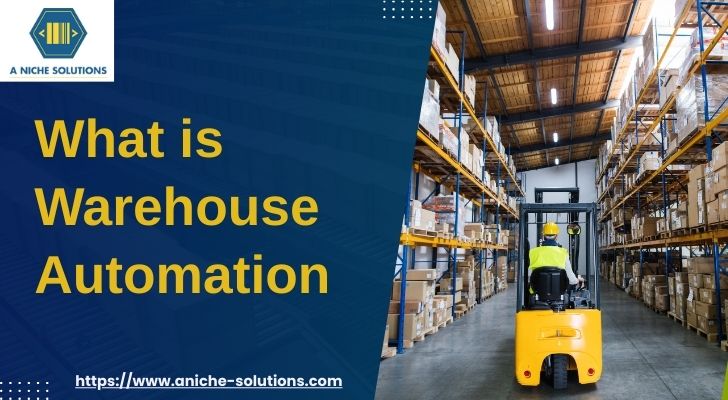
Warehouse automation is the use of technology to perform warehouse tasks with little or no manual effort. It includes machines, software, and automated systems that handle storage, movement, picking, packing, and tracking of goods inside a warehouse.
An automated warehouse uses tools like conveyors, barcode scanners, robots, and warehouse management software to manage daily operations. These automated warehouse systems help reduce human mistakes and make work more organized. Tasks that once needed many workers can now be handled faster with fewer people.
Warehouse automation systems are designed to work continuously and follow fixed processes. Businesses choose warehouse automation solutions to improve accuracy, handle higher order volumes, and keep operations consistent. Automated warehouse setups are now common in eCommerce, logistics, retail, and manufacturing industries.
Warehouse automation works by using smart software and machines to handle warehouse activities with less manual effort. Tools like robots, scanners, and sensors work together with inventory systems to keep goods moving in the right direction.
The process begins with a warehouse management system (WMS). This system controls stock details, order flow, and task assignment inside the warehouse. Activities such as stock updates, order processing, and data recording happen automatically, which reduces paperwork and delays. Warehouse automation systems also connect with other business systems to keep operations aligned.
Digital automation focuses on handling data accurately. Technologies like RFID tags and barcode scanning record product movement at every stage. These systems reduce mistakes, improve data security, and support smooth integration with ERP platforms. Clear data flow helps teams work faster and avoid rework.
Physical automation uses machines and robots to move items within the warehouse. Robots support picking, sorting, and transport tasks, which reduces worker movement and saves time. This setup allows warehouses to handle higher volumes while keeping operations steady and reliable.
Warehouse automation uses different technologies to manage storage, movement, picking, and tracking of goods. Each system handles a specific task and helps warehouses work faster with fewer errors.
Goods-to-person systems reduce walking time for warehouse staff. Products move automatically from storage areas to picking stations using conveyors, lifts, or robots. Workers stay in one place while items arrive in the correct sequence. Automated warehouse systems using GTP improve order speed and lower physical strain on employees.
AGVs transport goods along fixed routes marked by sensors, wires, or tapes. These vehicles move pallets, bins, and cartons across warehouse zones. Automated warehouse solutions using AGVs improve material flow and reduce the need for forklifts. Predictable movement makes AGVs suitable for structured environments.
AS/RS systems store and retrieve goods using automated cranes or shuttles. These systems work in tall or compact storage areas where manual access is difficult. Warehouse automation systems with AS/RS use space efficiently and keep inventory organized. Accurate placement reduces picking time and stock handling errors.
Pick-to-light systems guide workers using visual signals placed on racks or bins. Lights show where to pick from and how many items to select. Put-to-light systems assist during sorting and packing. Automated warehouse systems using light guidance reduce training time and improve accuracy.
AMRs use cameras, sensors, and mapping software to move freely inside the warehouse. These robots adjust routes based on obstacles and workload changes. Warehouse automation systems with AMRs support flexible operations and fast order fulfillment. This technology suits warehouses with changing layouts.
Voice-based systems give spoken instructions to warehouse workers through headsets. Workers confirm tasks verbally, which keeps hands and eyes free. Warehouse automation solutions using voice picking increase speed and reduce errors in busy environments. This system works well for high-volume picking operations.
Automated sortation systems scan product data and direct items to the correct destination. Conveyors, dividers, and scanners work together to route packages efficiently. Warehouse automation systems with sortation support fast shipping and order consolidation. These systems help manage large order volumes with consistency.
RFID systems track inventory using radio signals and smart tags. Products get identified automatically as they move through different zones. Automated warehouse systems using RFID provide real-time stock visibility. This reduces manual scanning and helps prevent stock mismatches.
Warehouse automation plays a key role in helping businesses manage growing order volumes and tighter delivery timelines. Manual processes often slow down operations and increase the chance of errors. Automated warehouse systems help maintain steady workflow and improve overall control.
Warehouse automation systems support faster order processing and accurate inventory tracking. Automated warehouse solutions reduce dependency on manual labor for repetitive tasks. This helps businesses manage labor shortages and control operational costs.
Consistency is another reason why warehouse automation is important. Automated warehouse systems follow fixed rules and processes, which leads to uniform performance across shifts. This consistency helps businesses meet customer expectations and avoid delays.
Warehouse automation also supports better space usage and safety. Machines handle heavy lifting and movement, which reduces workplace injuries. Businesses using warehouse automation systems gain better visibility into stock levels and order status, making daily decisions easier.
Warehouse automation can improve efficiency, but businesses often face challenges during planning and implementation. These issues can affect cost, performance, and daily operations if not managed carefully.
Warehouse automation systems require upfront spending on equipment, software, and infrastructure changes. This investment can feel heavy, especially for small and growing businesses. Proper budgeting and planning are needed to manage this challenge.
Automated warehouse solutions must connect with existing warehouse management and business systems. Integration issues can cause data mismatches and workflow delays. Smooth system alignment is essential for reliable automation.
Workers need training to operate warehouse automation systems effectively. Lack of knowledge can reduce productivity and increase errors. Continuous training helps teams adapt to automated processes.
Automated warehouse systems depend on machines and software working without interruption. Equipment breakdowns or software issues can slow operations. Regular maintenance helps avoid unexpected downtime.
Some warehouse automation systems are designed for specific workflows. Expanding or changing operations later may require system upgrades. Businesses must plan automation based on future growth needs.
Many warehouse activities involve repetitive tasks that take time and effort when done manually. Warehouse automation systems help businesses manage these processes in a faster and more organized way.
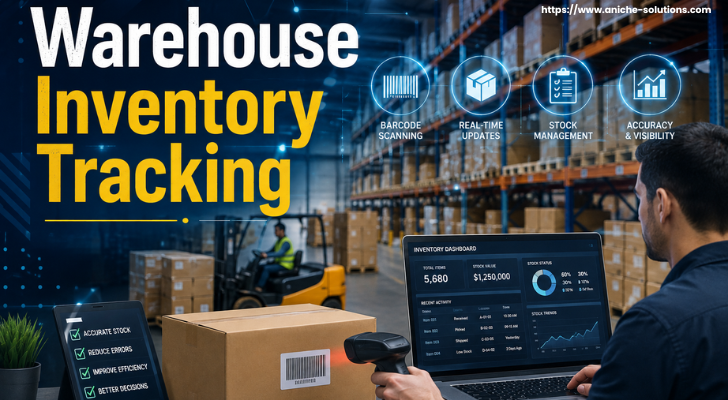
Automated warehouse systems record incoming goods using barcode scanning or RFID technology. Stock details get updated instantly in the system. This process reduces manual data entry and improves inventory accuracy.
Warehouse automation solutions guide products to assigned storage locations. Automated storage systems and robots place goods correctly based on size and demand. This helps improve space usage and reduces handling time.
Automated warehouse systems support picking through robots, pick-to-light, or voice-guided tools. Workers receive clear instructions, which reduces picking errors. Faster picking helps meet tight delivery schedules.
Automated sortation systems group items based on order or destination. Packing stations receive products in the right sequence. This process improves packing speed and order accuracy.
Warehouse automation systems prepare orders for dispatch by verifying item details and labels. Automated checks reduce shipping errors. Faster dispatch helps businesses meet customer delivery expectations.
Warehouse automation is growing as businesses look for faster and more reliable operations. Rising order volumes and labor shortages are pushing companies to adopt automated warehouse systems at a steady pace.
Many warehouses are now using robots and automated picking systems to handle daily tasks. Automated warehouse solutions help businesses process more orders without increasing workforce size. This trend is common in eCommerce, retail, and third-party logistics warehouses.
Use of warehouse automation systems linked with data analytics is also increasing. Real-time data helps businesses track inventory movement and order status more accurately. Better visibility supports quicker decision-making and smoother operations.
Flexible automation is becoming more popular among growing businesses. Autonomous mobile robots and scalable software allow warehouses to adjust operations based on demand. This approach helps companies manage peak seasons without major system changes.
Warehouse automation supports workers by reducing repetitive and heavy tasks. Employees focus more on supervision, quality checks, and system handling rather than manual labor.
The cost depends on the type of automation used. Basic warehouse automation solutions cost less, while advanced automated warehouse systems need higher investment.
Automated warehouse systems track items using scanners, RFID, or software updates. Real-time tracking reduces stock mismatches and manual counting errors.
Warehouse automation systems need regular software updates and equipment checks. Planned maintenance helps avoid downtime and keeps operations running smoothly.
Warehouse automation helps businesses manage daily operations with better speed and accuracy. Automated warehouse systems reduce manual effort and support consistent workflow across receiving, storage, picking, and shipping activities.
Warehouse automation solutions allow businesses to handle growing order volumes without adding pressure on staff. Better inventory control, improved safety, and steady performance make automation a practical choice for modern warehouses.
With the right planning and system selection, warehouse automation systems support long-term business growth. Companies that invest in automated warehouse processes gain better control over operations and stay prepared for future demand.
At A' Niche Solutions, we transform inventory management into a smart, automated, and future-ready process.
Quick Links
Products
Business Solutions
Gallery
Copyright 2025, A'Niche Infotech Solutions Pvt Ltd. All Right Reserved
Managed By